The Summer Solstice: Walking on Sunshine
Learn all about Litha or Mid-Summer. Celebrate the sunshine and the change of season.
SABBATSWITCHCRAFTWITCHCRAFTBASICSMIDSUMMERSMELISSA
Melissa Wittmann
6/20/2023
It’s a beautiful summer day in the local park. A group of people with kids are over a little out of the way enjoying the day. Bright tablecloths cover the three close together picnic tables they are occupying. Laughter fills the air occasionally and, after the meal is done, the sounds of drumming carry in the air. At the center of the one table are candles surrounded by sunflowers and shiny, yellow crystals. It’s Midsummers and this pagan family is celebrating the day in the park.
The Summer Solstice is the day of the year when there are the most hours of daylight and the least hours of nighttime. Our European ancestors kept track of this, and it was considered a momentous occasion. This day of sunshine also coincided around the time when the first fruits and vegetables were ready for harvest. To celebrate the first harvest of the season, communities would gather. We do not know exactly what our Celtic, Germanic, or Scandinavian ancestors did to celebrate the solstice; our earliest records of Summer Solstice celebrations are from the early Middle Ages.
We know that sun worship existed in Southern Germany as far back as the Iron Age (58-79 CE) and are believed to have come to the region when Roman Soldiers settled in the region. We have carvings from this time that show people worshiping the sun, but it is unknown if they were celebrating the Summer Solstice or not.
Before 930 CE, pagan summer festivals did not have a fixed date but were often around the date of the longest day of sunlight in the year and when the first fruits and vegetables become available for harvest. In parts of Viking Scandinavia, this was around the times that Vikings and Sailors would return from their spring voyages.
Communities would gather and hold sumbels where there was feasting and singing. In the late 10th Century, Norwegian King, Olaf Tryggvason made the date of the Christian Feast of St. John’s Eve be the calendar date for the pagan festival of Mid-Summers. In the early days, both pagans and Christians would celebrate together and raise a glass in toast to each other.
Let it also be noted that the only evidence of a Midsummer’s Human Sacrifice comes from this time, King Olaf Tryggvason was leading an army with the purpose of converting the pagans in his land to his religion of Christianity. In the city of Trondheim, he spoke to the leaders of his rivals and offered them a Midsommarsblot, or Midsummer’s ritual and celebration, the condition for this blot was that one pagan nobleman would be sacrificed daily until the city converted to Christianity. There is great debate to whether this story is true or not. However, Trondheim converted around this time.
Due to growing attempts to make pagan midsummer traditions outlawed, the Morris Dances were developed and rose in popularity in the 1600s. The traditional British folk dance began to be a way that locals could celebrate pagan traditions safely through dance. Morris dancing was so hated by the Puritans for being pagan in origin that they tried to outlaw it or at least vilify it. Because of the Puritan backlash, Morris Dancing went out of style of a while, but was later revived and is still a popular practice in parts of England and Wales.
The Summer Solstice is a time to celebrate abundance, rededicate yourself to your path, take nature walks, and focus on the bounty you wish to come into your life. Much of what modern neopagans do at Summer Solstice celebrations are recreations of what we believe our ancestors did. Midsummers is a moment to catch your breath between the rush of planting and the rush of harvesting what you planted. This is a day to relax, assess your hard work, and think about what you want to harvest in the coming months.
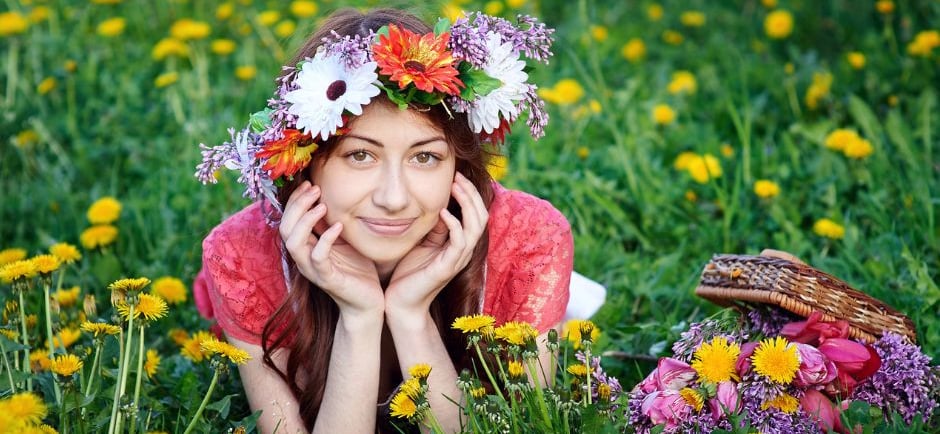
There are a lot of traditions surrounding Midsummers that come from Scandinavia. Things like wearing flower crowns, dressing as a Green-Man, ending a feast with a strawberry cake, and wearing flowy, light-colored dresses. Other Scandinavia festivities for the day include singing, dancing, lighting bonfires, drinking mead and collecting flowers.
From the Celtic Lands we get traditions like staying up all night to see the Solstice sunrise, dancing outdoors to scare away evil, and doing love divinations. A common practice is to place a fresh picked flower under you pillow so you will dream of love. Bonfires are always a popular tradition, depending on where you live, a smaller campfire or a little fire might be more appropriate.
And lastly, the British Isles gave us the Midsummer battle of the Oak King and the Holly King. According to legend, the Oak King rules over the light half of the year and the Holly King rules over the dark half. They battle every year at Mid-Summers and at Mid-Winters for the crown and control of the next half year. When the Oak King dies, the hours of daylight become shorter and when the Holly King dies, the hours of daylight become longer. Many Wiccan and Pagan groups will hold a mock battle on the Solstices where the Oak and Holly Kings battle it out for the crown. Some of the mock battles my coven have done include a water gun fight, a battle using quarter staves, several times there have been sword fights, a thumb war, a slightly rigged Yule Trivia contest, and great battle of the foam swords. My Coven had a few simple rules about the battle: 1. Have fun, 2. Don’t get hurt, 3. don't break the law, and 4. Holly wins in summer/Oak wins at Yule.
My coven tries their best to get outdoors for the Summer Solstice. We’ve done picnics at local parks, a pool party, cookouts at someone’s home, a luau once, and hikes in the woods. There are no hard and fast rules to what you need to do to properly celebrate the Summer Solstice. Just enjoy the day and have fun. May your Midsummers be blessed and your harvests be bountiful.