The Story Behind Essential Oils
Where do essential oils come from and how did they become so popular.
HERBALISMWITCHCRAFTWITCHCRAFTBASICSHISTORYMELISSA
Melissa Wittmann
1/25/2025
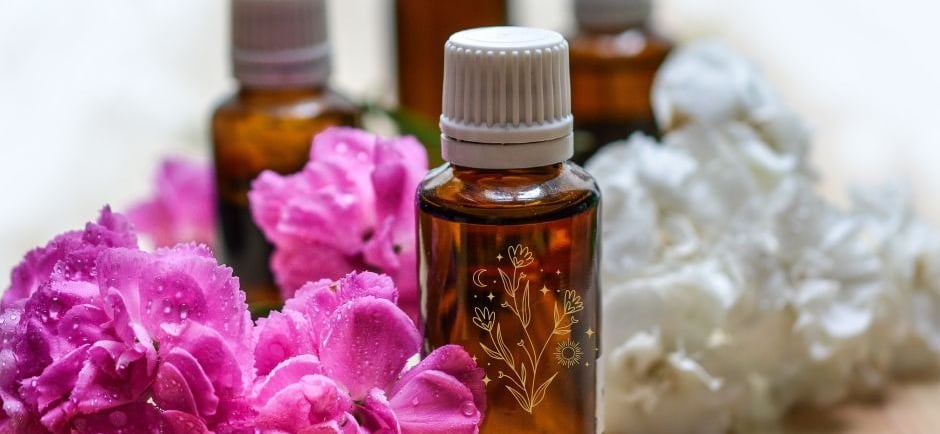
I have a theory that one of the first few luxuries humans created when they developed civilization was essential oils and perfumes. We know from the pollen discovered at Stone Age archeological sites that our ancestors used plants for medicine and possibly for their scents. It does seem that humans in general enjoy things that smell pretty. In time we learned to make essential oils, thus keeping the scent of the plant alive long after its season.
Essential Oils are the concentrated form of a plants scent and useful chemicals. They are often used in perfumes, medicines, cleaners, and cosmetic products. This concentrated essence of the plants can last for months or years if stored properly. Historically, they greatly increased the usefulness of various plants.
HISTORY OF ESSENTIAL OILS
Mesopotamia is one of the oldest civilizations to have developed the means of making and using essential oils. We don’t know who to credit for developing the means to create and use them, but we do know that around 5,000 BCE, someone in Mesopotamia developed the equipment, technique, and uses of essential oils. Historians believe that the Mesopotamians used essential oils for perfumes and scents.
A growing country developing along a river in North Africa learned the art of essential oils from Mesopotamia and greatly expanded how they were used. That growing country was Egypt, and they used essential oils in the beginning as bases for perfumes but quickly expanded their uses to incense, cosmetology, ointments, aromatic oils, and this this new funeral practice them were developing called embalming.
In Ancient Egypt, it was the priestly class that controlled the production of essential oils and their market. Essential oils were considered part of the Divine and those only holy people should have access to them until the gods’ needs were filled first and then the people could have the leftovers. The first thing essential oils were used for was incense and oils for the temples. Then a certain amount was allotted to the embalmers for their use. After that they were used to manufacture perfumes, balms, scented barks to be smoldered in braziers, resins, aromatic vinegars and medicines. Egyptians loved pleasant scents and used them everywhere. Traders and travelers to Ancient Egypt often remarked on how the cities were filled with pleasant scents.
The most famous incense in Ancient Egypt was called Khyphi. This scent was the combination of 16 separate ingredients and combined to create the scent of Ancient Egypt. It was found everywhere from temples, the royal palace, markets, and in the homes of the Egyptian citizenry. It’s recipe was a trade secret and never shared outside of the priests who produced the scent. It was used in everything from perfumes, incense, and medicines. Even though there are modern recipes for Khyphi, we do not know the full scent profile or what all went into this important incense. Among the ingredients contemporary writers of the Ancient Egyptians wrote down, Khyphi may have contained any of the following and more: honey, wine, raisins, myrrh, juniper berries, turpentine (a form of pine essential oil), calamus essential oil, cardamon, sorrel essential oil, cassia, cinnamon, and cinnamon.
The Ancient Greeks were great gatherers of knowledge and in the case of essential oils, they stayed true to form. Around 500-400 BCE, they learned the art of making essential oils from the Egyptians. Greek soldiers were known to carry a vial of Essential Oil of Myrrh with them when they traveled to aid in healing minor wounds.
The Ancient Greeks put a lot of study and research into the production and use of essential oils. Hypocrites, known as the Father of Medicine, wrote treatise on this subject , Corpus Hippocratium. He discussed the uses of over 300 medicinal plants and inspired later doctors including Galen. It is believed that some of his knowledge was brought back to Greece from soldiers who have campaigned in far off India.
When we think of India and medicine, we often think of Ayurvedic Medicine. Ayurvedic Medicine began on the Indian subcontinent and became one of the World’s oldest formal systems of medicine. It is a system of medicine that is still practiced to this day. Part of the practice of Ayuraveda is the use of essential oils in the form of massage therapy and the use of herbal medicine.
Essential Oils in Modern Times
Essential oils are still in use today and are everywhere in our daily lives. They can be found in a wide array of products available in the stores. Beauty care products often contain essential oils to perfume them and for their medicinal properties. Shampoos often contain essential oils to produce the desired results. For example, tea tree oil is sometimes added to dandruff shampoo because it has been shown to cleanse the scalp, be anti-fungal, and is soothing to the skin. Skin lotions often contain plant butter and essential oils that aid in moisturizing the skin, healing damage from dry skin, and smell good. Finally, makeup often contains essential oils to give them a pleasing scent.
The use of essential oils goes beyond the Health and Beauty section of the grocery store. Essential oils are used in baby products, cleaners, and even some products we eat and drink. Modern manufacturing is semi-dependent of the use of essential oils because they make products cheaper to make but look and smell more expensive.
HOW ESSENTIAL OILS ARE PRODUCED
There are three main methods of making essential oils. These methods are the same ones our ancestors discovered in the early days of essential oils. They are refined and are capable of produce more oil in modern times, but essentially, they are the same.
The first method most people think of is distillation. Distillation is when you place plant material (fresh or dried) in a closed container and heat it until it starts to produce steam. That steam is then released through a series of tubes until is the steam condenses and leaves behind in a side tube a layer of oil on top of water that contains highly condensed plan infused water or hydrosol. The oil floating in that tube is an essential oil. This process can be done in a factory setting or on a kitchen countertop. Many herbalists enjoy making their own essential oils as a hobby.
The next method of extracting essential oils from plants is expression or cold pressing. This method is most often used with citrus. Citrus peels are pressed between two hard surfaces situated over a sponge or container. As the peel is pressed, oil will seep out and collect in the sponge or container. The sponge is wrung out, or the container is poured into another container that removes debris from the oil, which is then bottled. The most common method of debris removal is to add water to the oil and spin is a centrifuge until the oil re-separated from the water and debris. This ancient oil making method is how many seed oils are made for cooking. When you see an oil that is extra virgin, like olive oil, that means that that oil comes from the first pressing of the fruit. Essential oil production does this and the essential oil gets a lover grade.
The final method used to extract essential oils from plants is using alcohol or solvents. Plant material is covered in non-metallic containers, strain of plant material, poured back over new plant material, strained again and repeat until you get your liquid as strong as you want.
Different plant materials release their essential oils differently. Steam distillation may not work well for one plant, but the alcohol method works better. Research your plants before you make essential oils out of the. It will save you frustration and disappointment later.
AROMATHERAPY
Humans have been using scents for therapy for eons. Some cultures used whole plants to heal and alter moods through scent, while others employed incense, perfumes, or scented oils. Aromatherapy is the use of scent in massages, diffusers, or baths to heal the mind, body, and spirit as well as alter a person’s mood.
This practice wasn’t called aromatherapy until the 1920’s when a French chemist Rene-Maurice applied lavender essential oil to a small burn on his hand that wasn’t healing. Much to his delight, the burn healed, and he began looking into what other essential oils healed what ailment.
Fast forward to during World War II and a Dr. Jean Valnet. This doctor began to use essential oils to treat soldiers with a variety of ailments. Most of his treatments were using the antiseptic and healing properties of essential oil.
Modern aromatherapy is the rediscovery of the uses of scent and essential oils that our ancestors learned eons ago.