
Ancient Indian Scriptures and Chakras
Learn a little about the history of the chakras.
Melissa Wittmann
5/6/2024
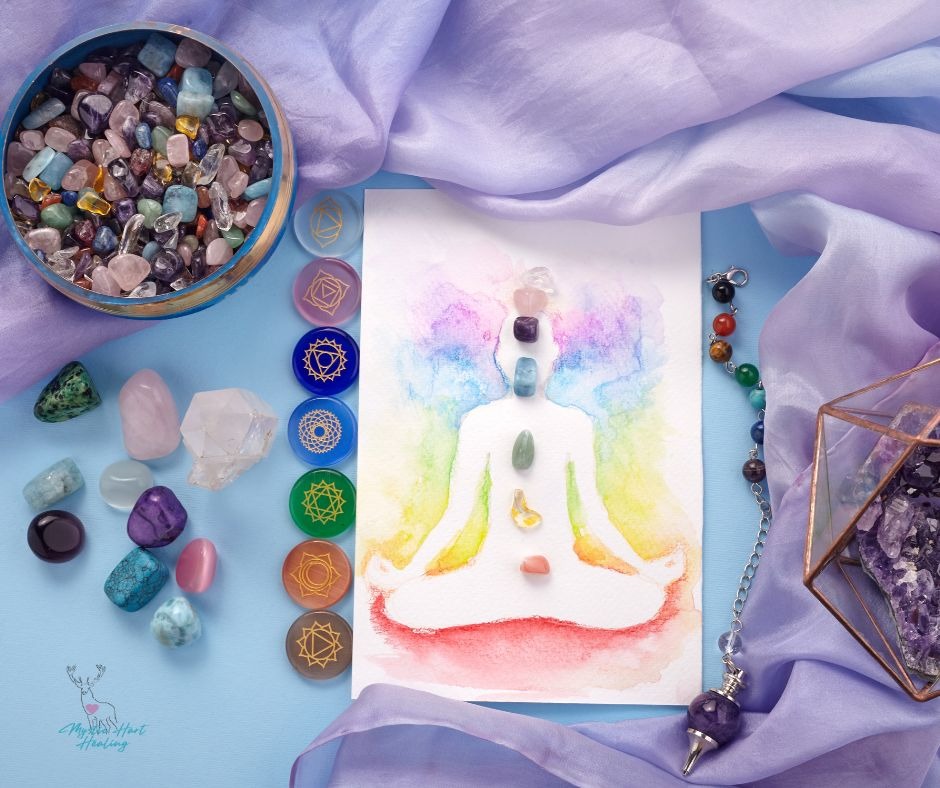
In the ancient Indian texts, the Vedas and Upanishads, there are references to the concept of energy centers within the body, known as chakras. These texts, dating back to approximately 1500 BCE, describe the human body as a temple, with the chakras being the energy centers that regulate the flow of energy within the body and connect it to the universe. 3/10 The Upanishads, a collection of philosophical texts that delve into the nature of the universe and the self, describe the chakras as swirling vortexes of energy that correspond to different aspects of human life, such as emotions, intuition, and creativity. They also mention the importance of balancing these energy centers to achieve spiritual growth and enlightenment.
The Concept of Energy Centers
The chakra system, also known as the energy center system, is a concept that has been prevalent in spiritual practices around the world for centuries. The idea of energy centers is based on the belief that the human body has seven main centers of energy, or chakras, that are responsible for various physical, emotional, and spiritual aspects of our lives. The concept of energy centers can be traced back to various ancient cultures, such as the Egyptians, Greeks, and Chinese, who believed in the existence of energy pathways in the body. These pathways were believed to be responsible for the flow of vital energy, or Qi, that sustained life. The Concept of Energy Centers in Ancient Cultures Ancient cultures had their unique understanding of energy centers and their significance. In Egypt, the concept of energy centers was associated with the energetic body or the spiritual body, which represented the eternal aspect of the human being. The Greeks believed in the existence of chakras that were associated with various organs and had a direct impact on health and well-being. The Chinese concept of energy centers is closely tied to the practice of acupuncture, which involves the insertion of needles into specific points on the body to balance the flow of energy. According to Chinese medicine, the chakra system is responsible for regulating the flow of Qi and maintaining overall health and vitality. The concept of energy centers is also prevalent in various Native American cultures, where it is associated with the medicine wheel and the balance between nature and humans. Overall, the belief in energy centers and their significance in various ancient cultures laid the foundation for the chakra system we know today.
The Ancient Tantric Traditions
The ancient tantric traditions of India had a deep understanding of the chakra system and its importance in the spiritual journey. In these traditions, the chakras are seen as energy centers along the spinal column, and the Kundalini energy is believed to rise from the base of the spine to the crown chakra, leading to spiritual awakening and enlightenment. Tantric practices involve the integration of chakras into various rituals and techniques, including mantra recitation, meditation, and visualization. The aim is to activate and balance the chakras, leading to a deeper understanding of the self and the universe. “The chakras are like the flowers on a garland, each one representing an aspect of the divine, and when they bloom, the whole garland becomes radiant.” – Tantric Master Today, the tantric traditions continue to inspire and influence spiritual seekers
Exploring the Mystery: Who Invented the Chakra System?
The origins of the chakra system have been a topic of curiosity and debate for centuries. Despite extensive research and study, there is no definitive answer to who exactly invented the chakra system. Many ancient cultures, including the Hindus, Egyptians, and Greeks, had their own concepts of energy centers and their significance in spiritual practices. These beliefs likely influenced the development of the chakra system over time. Some scholars credit the ancient Indian scriptures, particularly the Vedas and Upanishads, as the foundation for the chakra system. These texts contain references to energy centers and their role in spiritual growth and enlightenment. 7/10 Others point to the role of yoga and the tantric traditions in shaping and popularizing the chakra system. Yogic practices, such as asanas and pranayama, incorporate the energy centers for spiritual development. Prominent figures, such as Swami Vivekananda, Carl Jung, and Anodea Judith, also made significant contributions to the development and interpretation of the chakra system in modern times. Despite the ongoing quest to uncover the true origins of the chakra system, its timeless legacy and profound impact on spiritual practices and personal growth continue to inspire and empower individuals to this around the world, with their emphasis on the interconnectedness of all things and the power of the human spirit to transform and transcend.